Modern Land Clearing Value Explained
Learn About Key Arboriculture Techniques for Optimal Tree Care
Having knowledge of arboriculture is essential for keeping the surroundings healthy. Crucial methods including mulching and trimming are extremely important in encouraging strong tree growth. Furthermore, correct irrigation methods are essential for developing strong roots. Yet, most people miss the indicators of tree illness and the value of professional arborists. Looking into these areas can lead to a deeper appreciation for how to maintain trees. What steps can one take to guarantee their trees thrive?
Understanding the Importance of Tree Health
Understanding the importance of tree health is vital, as trees are instrumental in keeping nature balanced and enhancing urban environments. Strong trees assist with the quality of the air, provide shade, and provide refuge for nature. Trees also assist in reducing climate change by capturing carbon, which makes them vital for environmental sustainability.
In city environments, well-maintained trees look better, increase property values, and foster neighborhood health. Their presence can reduce heat island effects in cities, which saves money on energy.
Failing to care for trees, in contrast, can result in disease, pest infestations, and structural instability, posing risks to infrastructure and the trees themselves. As a result, identifying signs of a healthy tree, like the color of the leaves, its development rate, and bark condition, is essential for effective management. Ultimately, fostering healthy trees supports not only personal gardens but also the broader ecosystem, highlighting the necessity for proactive care and maintenance techniques.
Crucial Techniques for Cutting Branches
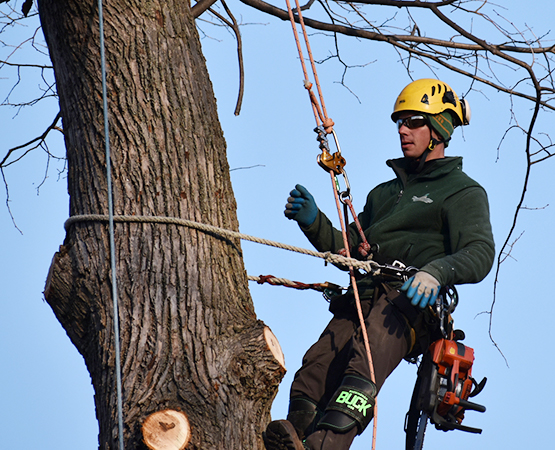
Cutting branches is a vital method in tree care that promotes strong growth and vitality, as it takes away unhealthy branches and boosts ventilation within the canopy. Employing proper techniques ensures the trees can grow well in their setting.
One fundamental technique is "thinning," which involves selectively removing branches to enhance light penetration and lessen the load on fragile branches. 'Heading cuts' is one technique, where the tips of branches are trimmed to stimulate lateral branching, especially in young trees. Additionally, the 'crown reduction' technique reduces the height and spread of a tree while maintaining its natural shape.
Timing is essential; trimming when the tree is resting lessens the impact and promotes better wound closure. Pruning implements must be sharp and sterile to minimize harm and disease transmission. Knowing these essential trimming methods is vital for every arborist who seeks to keep healthy and visually appealing trees.
Recognizing Typical Tree Ailments
How do tree owners identify the indicators of typical illnesses that put their trees at risk? Familiarity with key indicators is vital for quick spotting and action. Typical signs involve discolored or wilting leaves, possibly indicating a fungus or a lack of necessary nutrients. Abnormal formations, like cankers or galls, can signal the presence of pests or pathogens that compromise tree health. In addition, peeling bark or oozing sap might suggest an infection that demand quick action.
Tree owners should also observe alterations in the tree's form, such as branches dying or leaves falling, suggesting a deeper, more serious issue. Monitoring for signs of insect infestations, for instance, sawdust or bark holes, is just as critical. By remaining vigilant and proactive, they can recognize these typical illnesses and get the right solutions, making sure their trees stay strong and lively across the different seasons.
How Mulching Helps Trees
Applying mulch is a vital method in tree care, offering numerous benefits that promote healthy growth and hardiness. This technique requires placing a covering of specific material types around the base of a tree, which helps retain soil moisture, keeping weeds down, and moderating temperature fluctuations. This insulating layer not only reduces competition from unwanted vegetation but also boosts the visual appeal of the yard.
In addition, natural mulching materials, such as wood chips or bark, break down eventually, adding vital nutrients to the soil and enhancing the soil's composition. This natural breakdown supports root development and fosters a healthier environment for the tree. Additionally, mulch application minimizes the erosion of soil, thereby stabilizing of the tree’s foundation. Appropriately spread mulch needs to be arranged in a donut shape, making sure it doesn't touch with the trunk to prevent rot. Overall, integrating mulch application into tree care routines considerably contributes to the sustained well-being of trees.
Effective Watering Techniques for Trees
Good tree maintenance demands more than just mulching but also appropriate watering techniques to guarantee ideal growth and health. Trees, especially those recently planted, need consistent moisture to establish strong root systems. Deep watering is essential, as it promotes roots to descend where moisture is steadier. Preferably, trees need roughly one inch of water per week, either via rain or supplemental irrigation.
It is best to water early in the morning to minimize water loss and the risk of fungus. It is important to avoid overwatering, which often causes root decay and other issues. One must check the soil for moisture before watering; if the top two inches are dry, then watering is necessary. Additionally, using a soaker hose or drip irrigation can provide a slow, steady supply of water, making sure trees get enough water without the danger of water runoff. Proper watering practices greatly contribute to the total vitality of trees.
Hiring Professional Tree Services: Reasons and Necessity
In evaluating the health and aesthetics of a property, hiring professional tree services is often vital for homeowners facing complex tree care needs. Professional arborists possess the expertise to evaluate the condition of trees, spot illnesses, and execute beneficial procedures. Professionals are familiar with local regulations regarding tree removal and maintenance, making sure they comply and sidestepping fines
(Stillwater Tree Service)Homeowners should consider hiring professionals when dealing with big trees, especially those close to buildings or power lines, as mishandling creates safety hazards. Additionally, trees requiring pruning for looks or well-being benefit from the skills of trained specialists who can execute precise cuts to stimulate new growth
Periodic maintenance, such as preparing for storms and post-storm tidying, also warrant professional intervention to ensure site security and appearance. Finally, hiring certified arborists ensures optimal tree maintenance, which benefits greatly the entire outdoor space and property value
Frequently Asked Questions
How Can I Tell if My Tree Is Drowning?
Overwatering often leads to yellowing leaves, limpness though the soil is damp, rotting root systems, and excessive leaf drop. In addition, the development of mold or fungus around the base may indicate slow soil percolation and saturated soil.
When Should I Schedule for Tree Pruning?
The best time for tree pruning is typically act now late winter to early spring before new growth begins - Stillwater Tree Service. This timing promotes robust regeneration and minimizes stress on the tree, enabling rapid wound closure and development
Can Trees Recover From Severe Storm Damage?
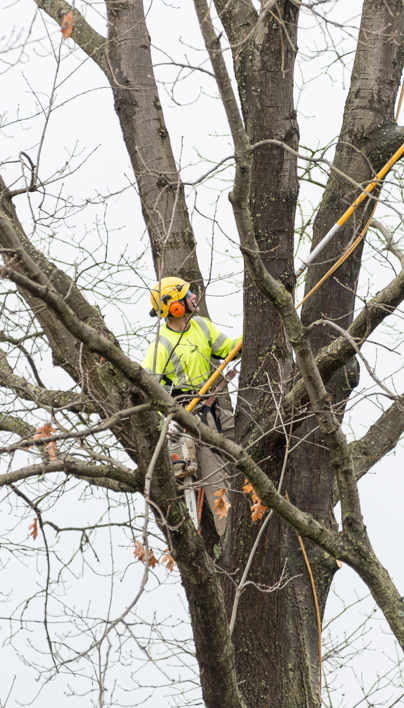
Yes, trees can recover from severe storm damage. Given the right attention, including the removal of injured parts and providing adequate water and nutrients, most trees will recover their vitality and continue to thrive after experiencing significant stress.
How Do I Choose the Right Mulch for My Trees?
When selecting appropriate mulch, it is best to use organic options like wood chips or bark, apply it to a depth of 2-4 inches, and never stack mulch against the base to prevent disease.
Are Some Trees Higher Maintenance Than Others?
Some species, like young trees and fruit-bearing plants, need extra maintenance because they react strongly to environmental shifts and specific nutrient needs. Consistent observation and customized care routines are vital for their condition and development.